



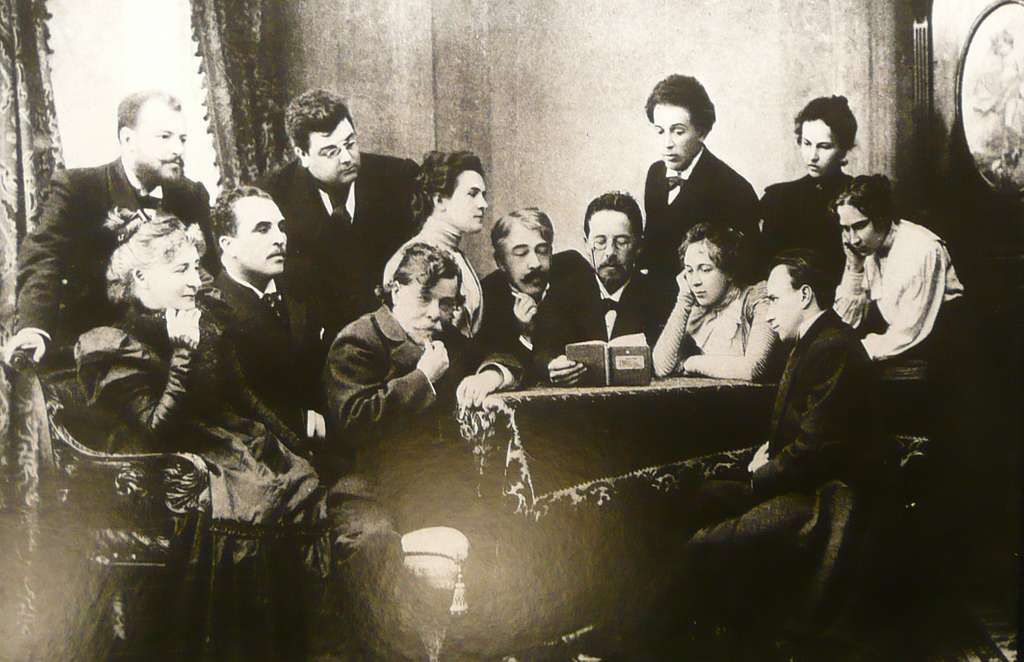
The Moscow Art Theatre, founded in 1898 by Konstantin Stanislavski and Vladimir Nemirovich-Danchenko, is renowned for its significant contributions to contemporary drama. With its unique approach to acting, collaborative ensemble, and incorporation of realism and symbolism, the Moscow Art Theatre has left a lasting impact on the world of theater. From revolutionizing acting techniques to pushing boundaries in set design and inspiring new playwriting styles, this theater continues to be relevant in the modern theater scene. Aspiring artists find inspiration in its legacy, and the Moscow Art Theatre plays a vital role in preserving the rich history and traditions of dramatic arts.
Key Takeaways
- The Moscow Art Theatre revolutionized acting techniques through Stanislavski’s System.
- The collaborative ensemble approach of the theater fosters a strong sense of unity among the actors.
- Incorporating realism and symbolism in their productions adds depth and complexity to the performances.
- The Moscow Art Theatre pushed the boundaries of set design, creating innovative and immersive stage settings.
- The theater inspired new playwriting styles, encouraging experimentation and creativity in dramatic storytelling.
The History of the Moscow Art Theatre
Founding and Early Years
The Moscow Art Theatre was founded in 1898 by Konstantin Stanislavski and Vladimir Nemirovich-Danchenko. It quickly became a hub for innovative and groundbreaking theatrical productions. One of the key features of the theatre was its emphasis on ensemble work and the development of Stanislavski’s System, which revolutionized acting techniques. The early years of the Moscow Art Theatre laid the foundation for its future success and its impact on contemporary drama.
Influence on Contemporary Drama
The Moscow Art Theatre has had a profound influence on contemporary drama. Through its innovative approach to acting and production, the theatre has revolutionized acting techniques, pushing the boundaries of what is possible on stage. The collaborative ensemble at the Moscow Art Theatre has inspired new playwriting styles, encouraging playwrights to explore bold and unconventional narratives. Additionally, the theatre’s incorporation of realism and symbolism has brought a unique and powerful aesthetic to the world of contemporary drama. The impact of the Moscow Art Theatre can be seen in the continued evolution of the theater industry, as well as in the work of aspiring artists who seek to follow in its footsteps. The theatre’s legacy continues to be preserved and celebrated, serving as an inspiration for the future of the art form.
Renowned Productions
The Moscow Art Theatre has produced numerous groundbreaking and critically acclaimed productions throughout its history. One of its most famous productions is Anton Chekhov’s The Seagull, which premiered at the theatre in 1898. This production marked a turning point in the development of modern drama, with its emphasis on psychological realism and complex character relationships. Another notable production is Maxim Gorky’s The Lower Depths, which showcased the theatre’s ability to portray the harsh realities of life with raw intensity. The Moscow Art Theatre continues to push the boundaries of theatrical innovation, inspiring audiences and artists alike with its bold and thought-provoking productions.
| Year | Production |
|---|---|
| 1898 | The Seagull |
| 1902 | Uncle Vanya |
| 1905 | The Cherry Orchard |
The Moscow Art Theatre’s productions have left a lasting impact on the world of contemporary drama, influencing playwrights, actors, and directors around the globe.
The Unique Approach of the Moscow Art Theatre
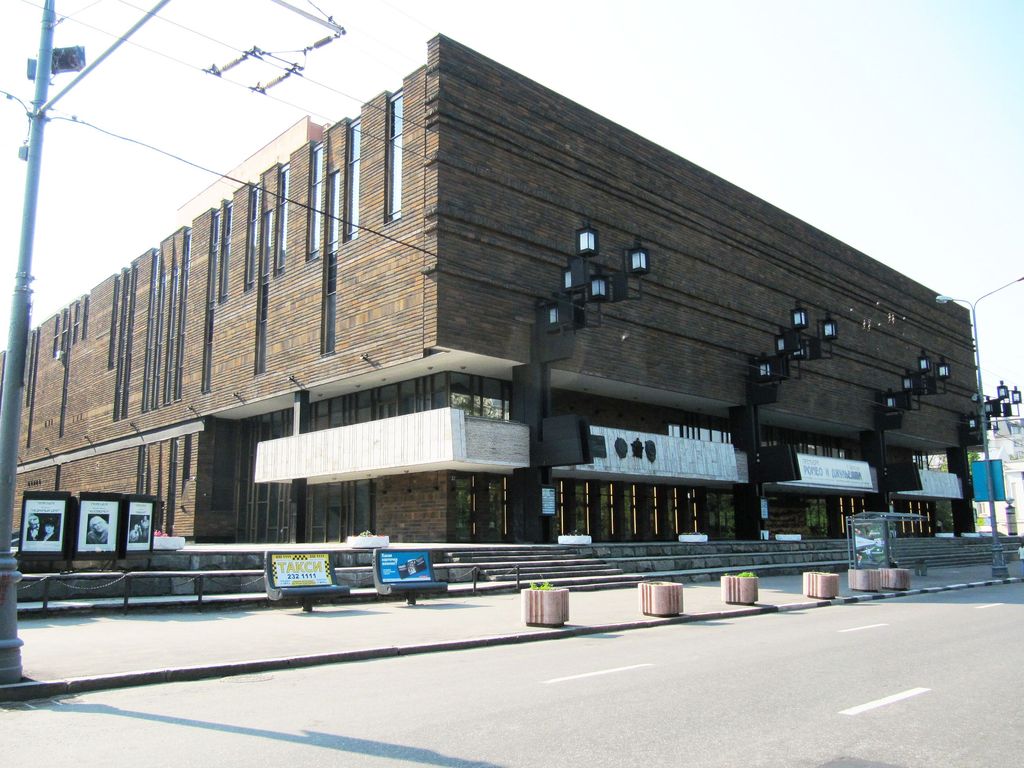
Stanislavski’s System
Stanislavski’s System, developed by Konstantin Stanislavski, is one of the most influential acting techniques in contemporary drama. It emphasizes the importance of emotional truth and psychological realism in portraying characters on stage. Actors are encouraged to deeply analyze their characters’ motivations and emotions, and to find ways to physically and emotionally connect with their roles. This approach has revolutionized the way actors approach their craft and has led to more authentic and compelling performances. By incorporating Stanislavski’s System into their training, actors are able to create characters that are truly believable and captivating.
Collaborative Ensemble
The Moscow Art Theatre is renowned for its unique and innovative approach to theater, which emphasizes a collaborative ensemble. Actors and directors work closely together to create a cohesive and dynamic performance. This collaborative process allows for a deep exploration of characters and themes, resulting in powerful and authentic performances. The ensemble approach also fosters a sense of unity and camaraderie among the cast, enhancing the overall quality of the production. The Moscow Art Theatre’s emphasis on collaboration has influenced contemporary theater practices worldwide, inspiring artists to work together and push the boundaries of traditional theater.
Incorporating Realism and Symbolism
The Moscow Art Theatre is known for its unique approach of incorporating both realism and symbolism in its productions. By blending these two theatrical techniques, the theatre creates a rich and layered experience for the audience. Realism allows for the portrayal of everyday life and the exploration of human emotions, while symbolism adds depth and metaphorical meaning to the performances. This combination of realism and symbolism allows the Moscow Art Theatre to explore complex themes and ideas in a visually captivating way. In one of their renowned productions, the theatre used a table to represent the division and conflict within a family, symbolizing the different perspectives and desires of each character. This innovative use of set design exemplifies the theatre’s commitment to pushing boundaries and creating thought-provoking experiences for its audience. The Moscow Art Theatre’s incorporation of realism and symbolism continues to inspire contemporary playwrights and artists, encouraging them to explore new ways of storytelling and theatrical expression.
The Impact of the Moscow Art Theatre on Contemporary Drama
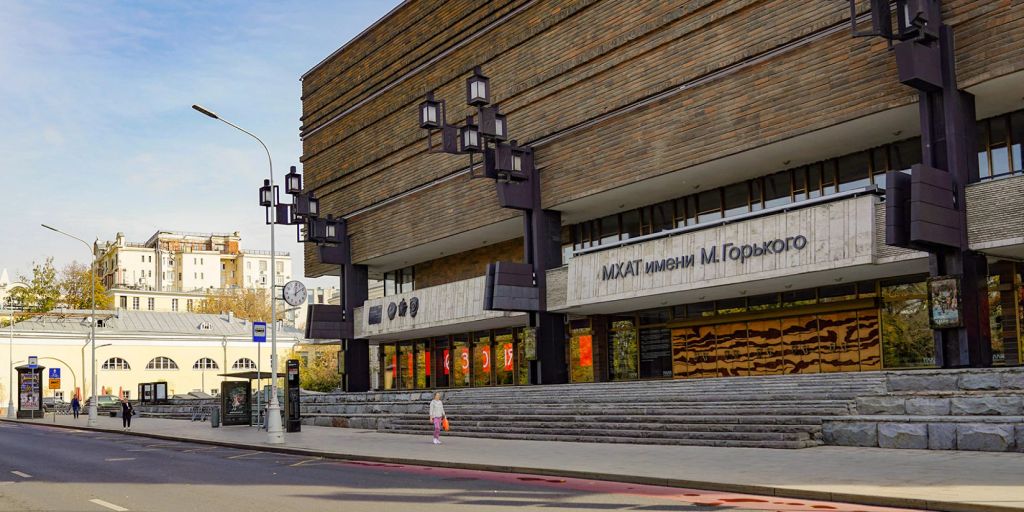
Revolutionizing Acting Techniques
The Moscow Art Theatre revolutionized acting techniques by introducing Stanislavski’s System. This approach emphasized the importance of psychological realism and internal character development. Actors were encouraged to immerse themselves in their roles and create believable, nuanced performances. This groundbreaking method transformed the way actors approached their craft and influenced the development of contemporary drama. The Moscow Art Theatre’s innovative approach to acting continues to inspire actors around the world.
| Acting Techniques | Description |
|---|---|
| Stanislavski’s System | Emphasized psychological realism and internal character development |
| Ensemble Acting | Collaborative approach that focused on the collective performance |
| Physicality and Gesture | Utilized physical movements and gestures to convey emotions |
The Moscow Art Theatre’s emphasis on authenticity and depth in acting has set a standard for generations of actors, pushing the boundaries of what is possible on stage.
Pushing Boundaries of Set Design
The Moscow Art Theatre has long been known for its innovative and boundary-pushing set designs. From its early years, the theatre embraced a collaborative approach to set design, incorporating the ideas and expertise of both the director and the set designer. This unique approach allowed for the creation of immersive and visually stunning sets that enhanced the overall theatrical experience. One notable example is the set design for the iconic production of The Seagull, where the stage was transformed into a realistic lakeside setting, complete with a functioning lake. This commitment to pushing the boundaries of set design has continued to inspire and influence contemporary theatre artists around the world.
Inspiring New Playwriting Styles
The Moscow Art Theatre has been a pioneer in inspiring new playwriting styles. Through its innovative productions, the theatre has challenged traditional narrative structures and experimented with unconventional storytelling techniques. Playwrights at the Moscow Art Theatre have been encouraged to push the boundaries of their craft, resulting in thought-provoking and groundbreaking works. The theatre’s commitment to exploring new forms of expression has influenced contemporary playwrights around the world, inspiring them to think outside the box and create bold and original plays. The Moscow Art Theatre’s dedication to fostering creativity and pushing the boundaries of playwriting continues to shape the landscape of contemporary drama.
Conclusion
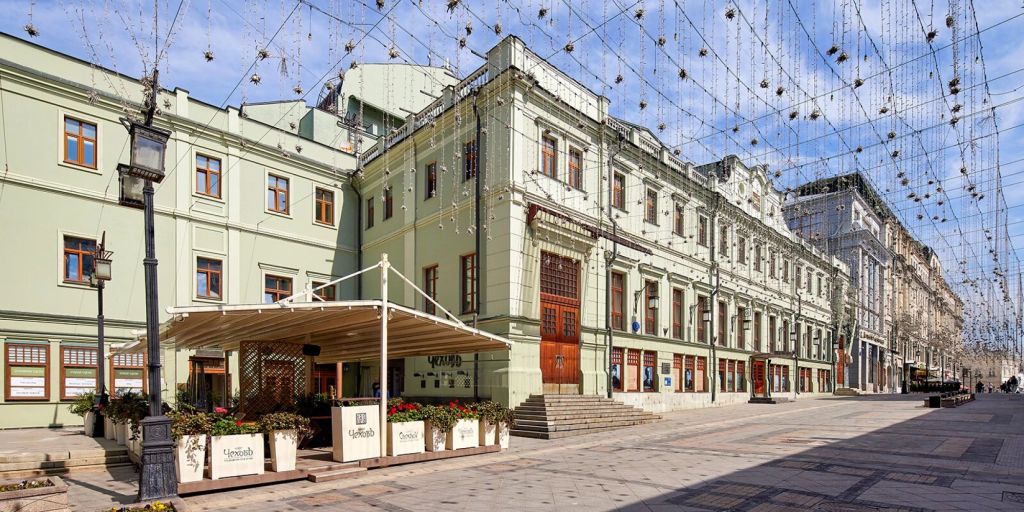
Continued Relevance in the Modern Theater
The Moscow Art Theatre continues to be a significant influence in the modern theater scene. Its innovative approach to acting techniques, boundary-pushing set designs, and inspiring playwriting styles have paved the way for contemporary drama. The theater serves as a beacon of creativity and experimentation, attracting aspiring artists from around the world. With its rich legacy and commitment to preserving the art form, the Moscow Art Theatre remains a vital force in shaping the future of theater.
| Key Takeaways |
|---|
| The Moscow Art Theatre is a pioneer in acting techniques, set design, and playwriting styles. |
The Moscow Art Theatre: Where creativity meets tradition.
Creativity is intelligence having fun.
Inspiration for Aspiring Artists
The Moscow Art Theatre serves as a powerful inspiration for aspiring artists from around the world. Its unique approach to theater, combining Stanislavski’s System with a collaborative ensemble, has revolutionized acting techniques and pushed the boundaries of set design. The theatre’s incorporation of realism and symbolism has also inspired new playwriting styles. Aspiring artists who visit the Moscow Art Theatre can witness firsthand the passion and dedication that goes into creating groundbreaking productions. The theatre’s continued relevance in the modern theater scene is a testament to its enduring impact on contemporary drama. Visiting this iconic institution can ignite the creative spark and motivate aspiring artists to push the boundaries of their own artistic endeavors.
Preserving the Legacy of the Moscow Art Theatre
The Moscow Art Theatre’s legacy continues to be preserved through its commitment to nurturing emerging talent and showcasing groundbreaking productions. By providing a platform for aspiring artists to experiment with new forms of storytelling and pushing the boundaries of traditional theater, the Moscow Art Theatre remains at the forefront of contemporary drama. Its dedication to innovation and artistic excellence ensures that its impact on the theater world will endure for generations to come.
| Preserving the Legacy of the Moscow Art Theatre |
|---|
| The Moscow Art Theatre’s commitment to nurturing emerging talent and showcasing groundbreaking productions ensures its continued relevance in the modern theater. |
- The Moscow Art Theatre’s dedication to innovation and artistic excellence inspires aspiring artists to push their creative boundaries.
The Moscow Art Theatre: Where tradition meets innovation.
Frequently Asked Questions
What is the history of the Moscow Art Theatre?
The Moscow Art Theatre was founded in 1898 by Konstantin Stanislavski and Vladimir Nemirovich-Danchenko. It played a crucial role in the development of modern theater and is known for its innovative approach to acting and production.
What is Stanislavski’s System?
Stanislavski’s System is a method of acting developed by Konstantin Stanislavski. It focuses on the actor’s ability to immerse themselves in the character and create a realistic performance.
What is the collaborative ensemble at the Moscow Art Theatre?
The Moscow Art Theatre is known for its collaborative ensemble approach, where actors, directors, and designers work together to create a unified production. This approach emphasizes teamwork and the collective creation of art.
How does the Moscow Art Theatre incorporate realism and symbolism?
The Moscow Art Theatre combines elements of realism and symbolism in its productions. While maintaining a sense of realism in acting and set design, it also incorporates symbolic elements to convey deeper meanings and emotions.
What impact has the Moscow Art Theatre had on contemporary drama?
The Moscow Art Theatre has revolutionized acting techniques, pushing boundaries and inspiring new approaches to performance. It has also influenced set design, encouraging innovative and imaginative staging. Furthermore, it has inspired new playwriting styles, encouraging playwrights to explore new themes and techniques.
Why is the Moscow Art Theatre still relevant in modern theater?
The Moscow Art Theatre’s innovative approach to acting and production continues to inspire and influence contemporary theater. Its emphasis on realism, symbolism, and collaboration remains relevant in exploring the complexities of human experience.